You’re standing in the kitchen. The recipe calls for a teaspoon of salt. You reach into the drawer and grab... well, which one is it? Most of us have a messy pile of silverware, and honestly, if you aren't a pro baker, it's easy to grab the wrong thing.
So, what does a teaspoon look like exactly?
It's smaller than you might think. A standard teaspoon is the middle child of the cutlery drawer. It isn't the tiny, tiny spoon you use for espresso, and it certainly isn't that big, deep-bowled monster you use for eating hearty beef stew. In a standard American place setting, it’s the smaller of the two spoons. It has an oval-shaped bowl and usually measures about 5 to 6 inches in total length.
But here is where things get messy. There is a massive difference between a "teaspoon" you find in your silverware set and a "measuring teaspoon" used for baking. If you use the one you eat cereal with to measure baking powder for a cake, your dessert is probably going to be a disaster.
The Visual Anatomy of a Teaspoon
Look at the bowl. In a standard teaspoon, the bowl is roughly the size of the tip of your thumb. It’s shallow. Unlike a soup spoon, which is often perfectly round, a teaspoon is almost always an elongated oval.
Weight matters too. A real stainless steel teaspoon feels balanced. It isn't flimsy. If you flip it over, you might see a stamp on the back that says "18/10" or "18/0," referring to the chromium and nickel content. This has nothing to do with the volume, but it tells you why some spoons feel "expensive" and others feel like they came from a picnic pack.
Teaspoon vs. Tablespoon: Spotting the Difference
It’s easy to mix them up if you're rushing. The tablespoon is the "big" one. It looks like a teaspoon that hit the gym and started taking supplements. A tablespoon is significantly wider and longer. Visually, a tablespoon is about the size of a large plum, while the teaspoon is closer to a large grape or a small walnut.
In terms of volume, the math is simple: three teaspoons fit into one tablespoon.
Think about that for a second. If you use a tablespoon when the recipe asks for a teaspoon, you are tripling the ingredient. If that ingredient is cayenne pepper, you’re in trouble. If it’s baking soda, your cookies will taste like metallic soap.
Why "Silverware" Spoons Are Lying to You
Here is the truth: the spoon you use to stir your coffee is not a reliable unit of measurement. Culinary historians like food writer Bee Wilson have noted that the "teaspoon" as a standardized measurement didn't really settle down until the mid-19th century. Before then, people just used whatever they had.
Today, silverware manufacturers prioritize aesthetics over volume. One brand’s teaspoon might hold 4 milliliters. Another brand might hold 7 milliliters.
A "legal" teaspoon—the kind used for FDA nutrition labeling—is exactly 5 milliliters.
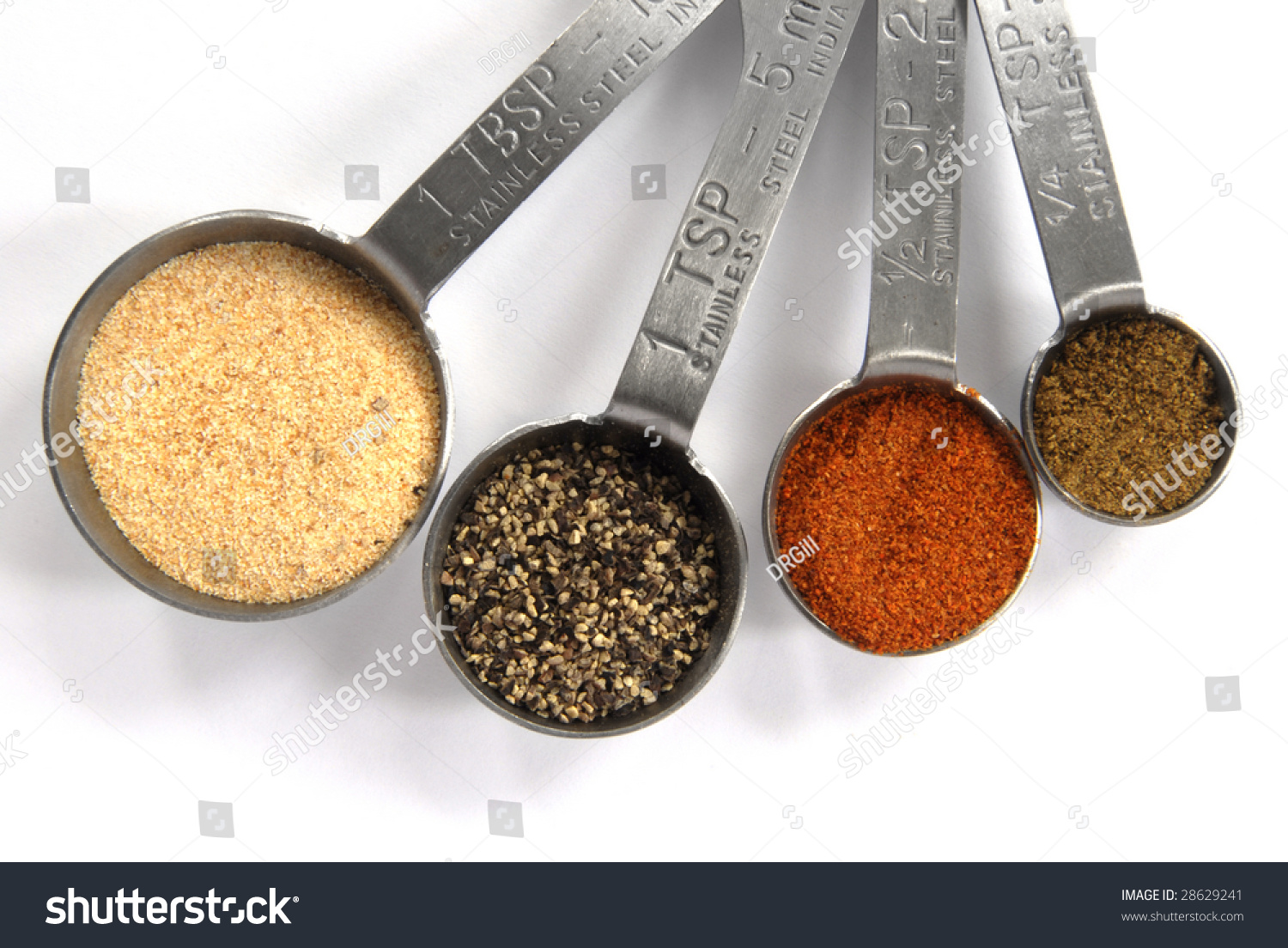
If you look at a measuring teaspoon, the kind that comes on a plastic or metal ring, it looks different. It has a perfectly hemispherical or deep oval bowl. It’s designed so that when you drag a knife across the top, the ingredient is perfectly "level." You can't do that with a regular dinner spoon because the edges are usually tapered or flared.
The Cultural Variations
What a teaspoon looks like depends on where you are on the map.
In the United Kingdom, the "teaspoon" is pretty much the same as the US version. But head over to some parts of Europe, and you’ll encounter the "dessert spoon." This is a size that mostly doesn't exist in modern American sets. It’s halfway between a teaspoon and a tablespoon. If you’re using an old British recipe that calls for a dessert spoon, and you use a teaspoon, your ratios will be way off.
Then there is the "coffee spoon." These are adorable. They look like a teaspoon's younger sibling. They are tiny, often only 3 or 4 inches long, meant for small demitasse cups of espresso. Don’t confuse these with teaspoons; they hold about half the volume.
Material and Texture
Most teaspoons you’ll see are stainless steel. However, if you're at a fancy tea service, you might see bone china or silver. Silver teaspoons are thinner. They feel colder to the touch. They also tarnish, turning a dark, moody grey if they aren't polished.
In a lab setting or a pharmacy, a "teaspoon" isn't a physical object at all—it's a strictly defined volume of 5mL. When a doctor says "take a teaspoon of this syrup," they are assuming you have a calibrated measuring device. Do not use your kitchen spoons for medicine. A study published in the International Journal of Clinical Practice showed that using kitchen spoons for medication leads to dosing errors ranging from 8% under to 12% over. That's a huge margin when you're dealing with potent drugs.
Identifying the "Look" in the Wild
Imagine you’re at a thrift store. You see a bin of loose silverware. To find the teaspoons, look for these traits:
- The Length: Generally 5.5 inches.
- The Bowl Shape: An oval that tapers at the tip.
- The Proportions: The handle is usually about twice as long as the bowl.
- The Depth: It should hold about a sip of liquid, not a mouthful.
How to Calibrate Your Eyes
If you want to get good at "eyeballing" a teaspoon, try this little exercise. Take a standard 5mL measuring spoon and fill it with water. Pour that water into your regular dinner teaspoon. See where the waterline hits.
Most likely, the water will fill the dinner spoon almost to the brim, or it might even look like it’s about to overflow. This is why "leveling" is so important in baking. A "heaping" teaspoon can actually be two or three teaspoons worth of material.
Common Misconceptions
People think a teaspoon is just "the small spoon." But many modern silverware sets come with three sizes: a small "teaspoon," a medium "dessert spoon," and a large "tablespoon." In this case, the one people usually call a teaspoon is actually the dessert spoon.
Another weird one? The "iced tea spoon." This looks like a teaspoon with an elongated, stretched-out handle. The bowl is the same size as a teaspoon, but the handle is 8 to 10 inches long so it can reach the bottom of a tall glass.
Actionable Next Steps for Your Kitchen
Knowing what a teaspoon looks like is great, but using that knowledge to cook better is the real goal.
First, go to your drawer and separate your spoons. Put the small ones on the left and the big ones on the right. If you have those "middle" spoons that don't quite fit either category, those are your dessert spoons—use them for eating, never for measuring.
Second, buy a set of heavy-duty stainless steel measuring spoons. Look for the ones that are rectangular rather than round; they fit inside spice jars much easier.
Third, when you are following a recipe and it says "tsp," that is your teaspoon. If it says "tbsp," that is the tablespoon. If you see "t," it’s a teaspoon. If it’s a capital "T," it’s a tablespoon. Don't mix them up.
Finally, if you are ever in doubt while cooking, always under-measure. You can add more salt later, but you can't take it out once it's stirred in. Understanding the visual scale of your tools is the first step toward moving from a recipe-follower to a real cook who understands the "feel" of the kitchen.
Stop guessing and start looking at the geometry of your cutlery. It’s a small detail, but it’s the difference between a perfect meal and a salty mess.